More than housing.
A partner in
family stability.
Nia Imani changes the conditions Milwaukee families navigate during instability.
Our position
A family stability organization.
Safe housing is one major program.
The Residential Door and the Community Door work together to give families the time and support to determine their own way forward. A family may arrive looking for housing.
Stronger families do not all look the same. Our work honors safe reconnection, co-parenting, kinship support, caregiving, and chosen family when they are centered on safety and the well-being of the child.
One model. Two access points.
Different doors. One mission—
stronger families.

Supportive housing
Residential Door
A supportive housing program for eligible pregnant and postpartum mothers and their young children — a safe place to stabilize and build a plan that belongs to the family.
- Mothers ages 18–25, pregnant or up to four years postpartum
- Children ages 5 and under
- Residential support up to one year
- Tailored programming and resource navigation
Community support pathway
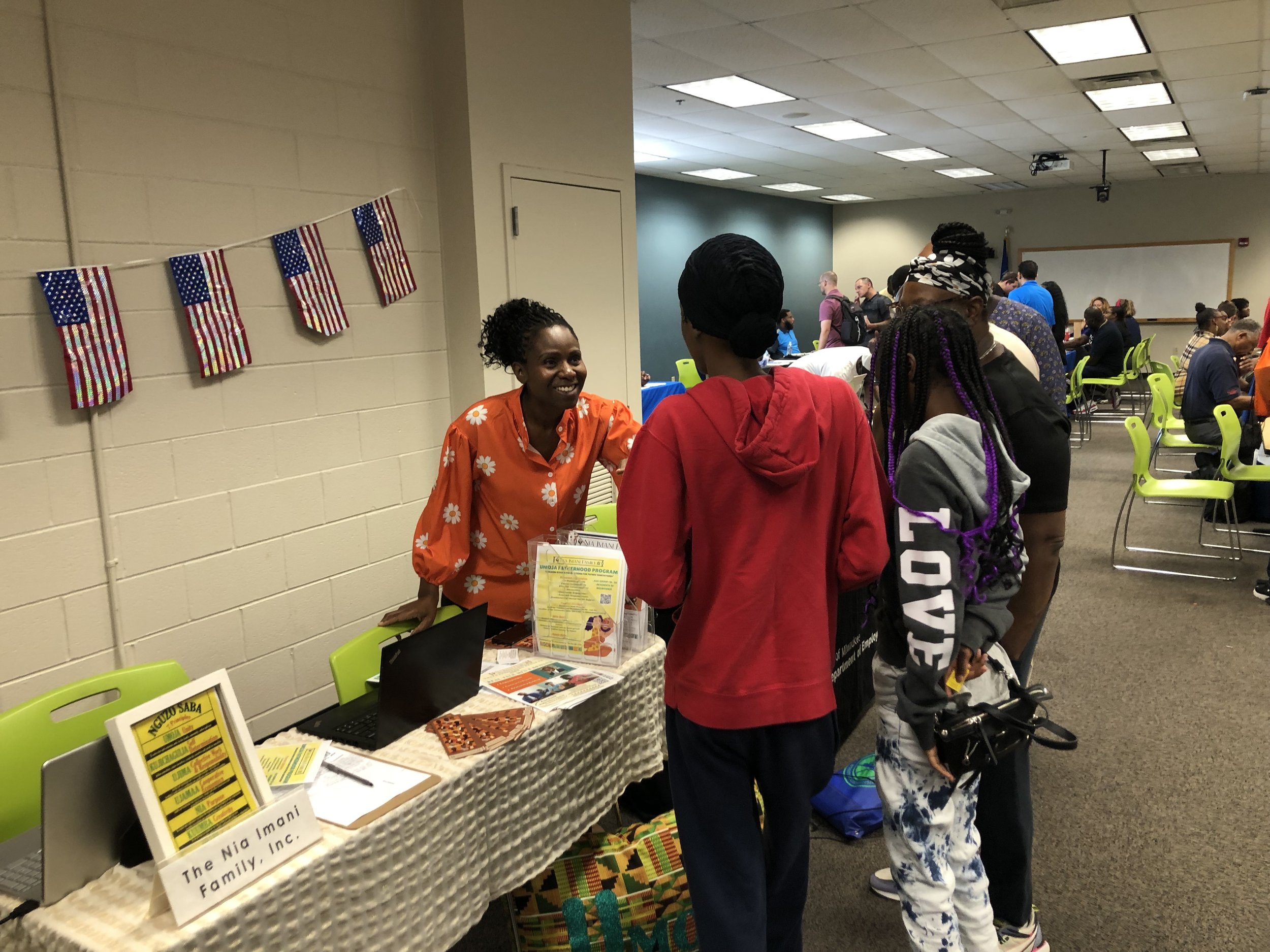
Community Door
Support, credible resources, and trusted relationships for the whole family system — on their own terms, at every stage, whether or not housing is part of the picture.
- Mothers, children, fathers, and co-parents
- Caregivers, kinship caregivers, and extended family
- Credible resources and warm referrals
- Programming, trusted relationships, continued support
Impact and accountability
We measure the work by
what changes for families.
Four questions govern how we evaluate every program, every partnership, and every dollar entrusted to us.
01
Safer
Are families safer than when they arrived, and do they have somewhere to return if that changes?
02
More stable
Has housing, income, or daily life become steadier and more predictable for the family?
03
Better connected
Are families connected to credible resources and to safe relationships that continue past our programs?
04
Able to move forward
Can the family move forward with dignity, clarity, and support — toward stability they defined themselves?
What guides us
Nine commitments.
These are the standards families, partners, and funders can hold us to.
Dignity Without Conditions
Every family deserves to be met with dignity. Support is not something a person earns by having the right story, making the right choice, or fitting one definition of what family should look like.
Safety Before Urgency
Crisis often forces families to make decisions too quickly and with too few options. We create space for families to pause, stabilize, assess their options, and move forward with clarity.
Family-Defined Stability
We do not define what success, stability, or strength should look like for a family. We support families as they name what stability means for themselves and take steps toward it on their own terms.
Credible Resources
Families deserve access to resources they can trust. We connect families to credible information, supportive services, and community partners that help them make informed decisions.
Safe Connection
Stronger families are built through safe, supportive relationships. When fathers, co-parents, caregivers, extended family, or other trusted support systems are part of a family’s path forward, we help support those connections with care and accountability.
Accountability and Stewardship
We are responsible for the trust placed in us by families, donors, partners, staff, board members, and community. We steward resources carefully, communicate honestly, and follow through on commitments.
Connection Without Expiration
A program end date does not end the relationship. Families and former residents should not have to reintroduce themselves to receive continued connection, support, or care.
Milwaukee Accountability
This is Milwaukee work, shaped by Milwaukee conditions and reported at Milwaukee scale. We name the city honestly, describe our size plainly, and do not inflate what we have not yet proven.
Stronger Families, Many Forms
Stronger families do not all look the same. Our work honors safe reconnection, co-parenting, kinship support, caregiving, chosen family, and other supportive family structures when they are centered on safety and the well-being of the child.
A renewed chapter
Rooted in care
and accountability.
Since 1994, Nia Imani has been part of Milwaukee’s support system for families. We are building on that legacy with a commitment to transparency, measurable outcomes, and continuous improvement.
Every decision is guided by the families we serve and the community we build alongside.
Invest in stability.
Strengthen futures.
Your partnership helps families access safe housing, credible resources, and community connections that create lasting change.
